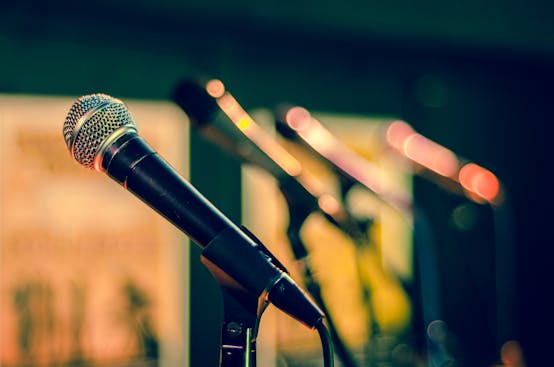
HHosting live music at your café sounds exciting — and it is — but the thought of managing gear and setup might seem overwhelming, especially if you’re not a sound tech or a musician. Luckily, the essential equipment for live music at a café is simpler and more affordable than most people expect.
This guide breaks down what’s truly necessary, what’s optional, and how to create a setup that enhances the performance without overwhelming your space.
1. Start Simple, Sound Good
Let’s begin with the truth: you don’t need to go big to sound good. Many small coffee shops make great live music happen with just a few well-chosen items. The key is clarity and reliability, not volume or complexity.
🎵 “If it sounds clean, it sounds professional” — that’s the golden rule for live music in intimate venues like cafés.
2. The Must-Have Gear Checklist
Here’s the bare minimum you’ll need to host quality live performances:
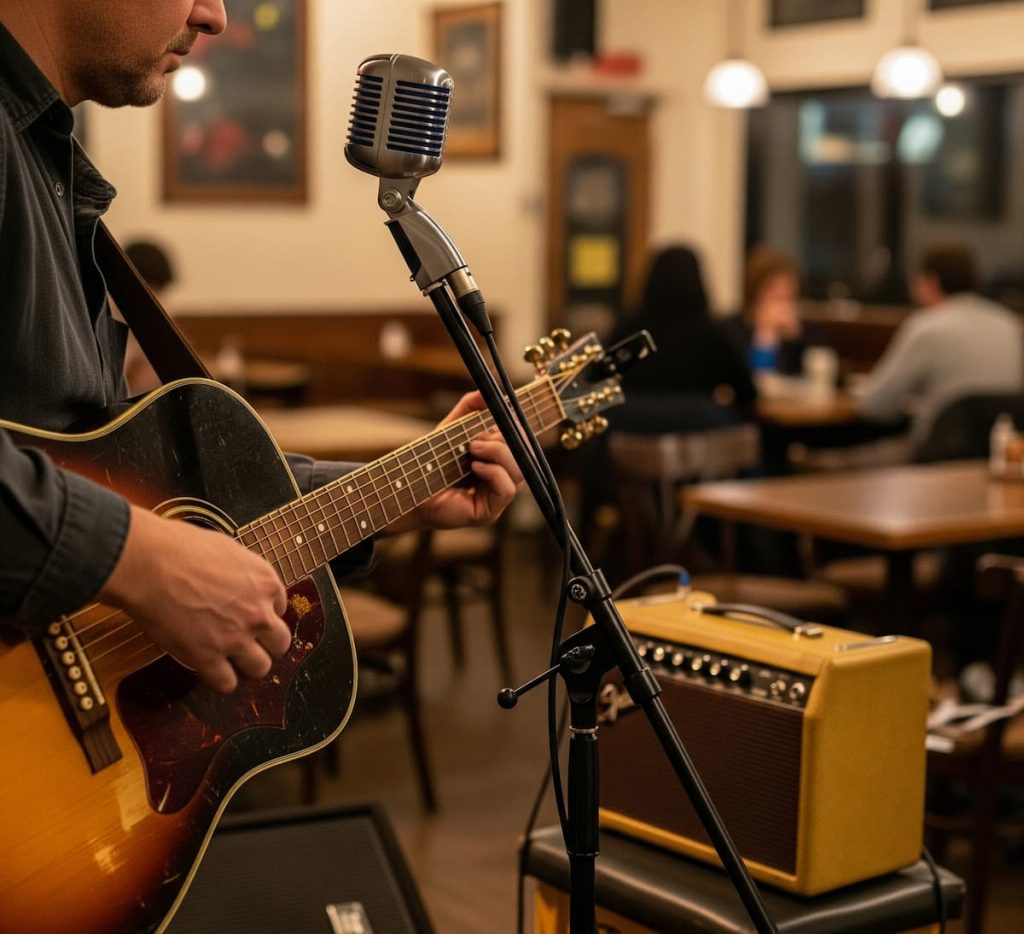
🎤 Microphone(s)
- One or two high-quality dynamic mics (like the Shure SM58) for vocals or acoustic instruments
🎚️ Mixer
- A small 2–6 channel audio mixer to control volume, EQ, and mic inputs
🔊 PA Speakers
- Two powered speakers (active speakers) placed at opposite ends of the space
- Look for models with built-in amps to reduce clutter
🎧 Cables & Stands
- XLR cables for mics
- Power cords and extension strips
- Mic stands and speaker stands (foldable for easy storage)
🔌 Surge Protector/Power Strip
- Protects your gear and ensures safe setup
3. Nice-to-Have Extras (When Budget Allows)
These aren’t essential but can add polish:
🎛️ Monitor Speaker
- Helps performers hear themselves better, especially in louder settings
🔦 Ambient Lighting
- Simple stage lights or LED strips can enhance the vibe dramatically
🪑 Performer Seating
- Sturdy stools or benches for acoustic sets
📦 Storage Box or Road Case
- Keep cables and gear organized and protected when not in use
Pro Tip: Use a rolling cart or mobile rack for easy setup and teardown.
4. How to Choose the Right Setup for Your Café
Not all cafés are built the same, and neither should your setup be.
Small Café (30–50 seats):
- 1–2 mics, small mixer, 2 powered speakers
- No monitors needed — sound fills easily
Medium Café (50–100 seats):
- Add monitor, lights, and more input options
Outdoor Patio:
- Weather-resistant speakers or covers
- Consider a small tent or canopy to protect performers and gear
Don’t overcomplicate it. Match your setup to your space and vibe, not what you see at big venues.
5. Budgeting: What Will This Cost?
Here’s a ballpark for a reliable beginner setup:
| Item | Estimated Cost |
|---|---|
| Microphone (x2) | $200 |
| Mixer | $150–$300 |
| Powered PA Speakers (pair) | $400–$700 |
| Cables & Stands | $100 |
| Power Strip / Surge Protector | $30 |
| Total | $900–$1,300 |
It’s an investment — but consider it long-term infrastructure. One good weekend of packed events could recoup a large portion.
Also, consider used gear. Sites like Reverb, Facebook Marketplace, or local music shops often offer deals on second-hand but reliable equipment.
6. Space-Saving & Storage Tips
A lot of café owners worry about where to put all this gear when it’s not in use. Fair concern!
Try This:
- Store stands and cables in a large plastic tote
- Tuck speakers under a bench or shelf
- Use wall hooks or shelving for mics/mixer
Better yet, schedule a dedicated gear closet or corner. Clear labeling helps your team grab what they need fast.
🎙️ A clean setup is a welcoming setup — for artists and your customers.
7. How to Set It All Up
The setup process gets faster over time. Here’s a basic rundown:
- Place speakers at opposite ends of performance space
- Plug mics into mixer, then mixer to speakers
- Power everything through a surge protector
- Sound check before customers arrive
✅ Keep volume moderate — music should enhance, not overpower, the café vibe.
8. Who Should Handle Setup?
- You, at first — to learn what’s involved
- Later, a staff member or volunteer with an interest in music
- Eventually, a music coordinator or tech-savvy barista
Training is key. Write up a simple setup guide with photos — it’ll save headaches and reduce mistakes.
9. Troubleshooting Common Issues
Issue: Mic feedback or screeching
- Solution: Keep speakers ahead of (not behind) the mics
Issue: Sound too loud or distorted
- Solution: Lower gain on mixer and adjust speaker volume
Issue: One mic works, one doesn’t
- Solution: Swap cables and inputs to test for bad cords or mixer channels
A little prep goes a long way. Once you learn your gear’s quirks, setup will feel second nature.
Final Pour: Focus on Function, Not Flash
You don’t need a stadium rig — you need clarity, ease, and the ability to support artists with confidence. Start small, stay organized, and upgrade over time.
Live music at your café should feel like a natural extension of your brand — warm, inviting, and well-run. With the right gear and a simple system, you’re more than capable.
Next Up: Part 6 – Legal, Licensing & Permits for Live Music
Avoid fines and stay compliant. We’ll walk you through what you need to know before booking your next act.
👉 Read Part 6: Legal, Licensing & Permits for Live Music →
Frequently Asked Questions (FAQ)
What’s the minimum gear I need to host live music?
A couple of microphones, a small mixer, and two powered speakers will get you started.
Can I rent gear instead of buying?
Yes! Many local music shops offer affordable rentals. It’s a great way to test before committing.
Do performers bring their own equipment?
Sometimes. Solo artists might bring their guitar or mic. Always confirm in advance and communicate clearly.
How do I keep volume from being too loud?
Set the mixer and speaker volumes to moderate levels. Avoid high gain or speaker placement too close to walls.
What about neighbors and noise complaints?
Keep performances within reasonable hours and avoid bass-heavy setups. Outdoor setups should point away from residential areas.

Leave a Reply